 Country Walkers
 VBT Bicycling Vacations
 Get eNews
 Request a Catalog
 800.234.6900
 MyAccount Login

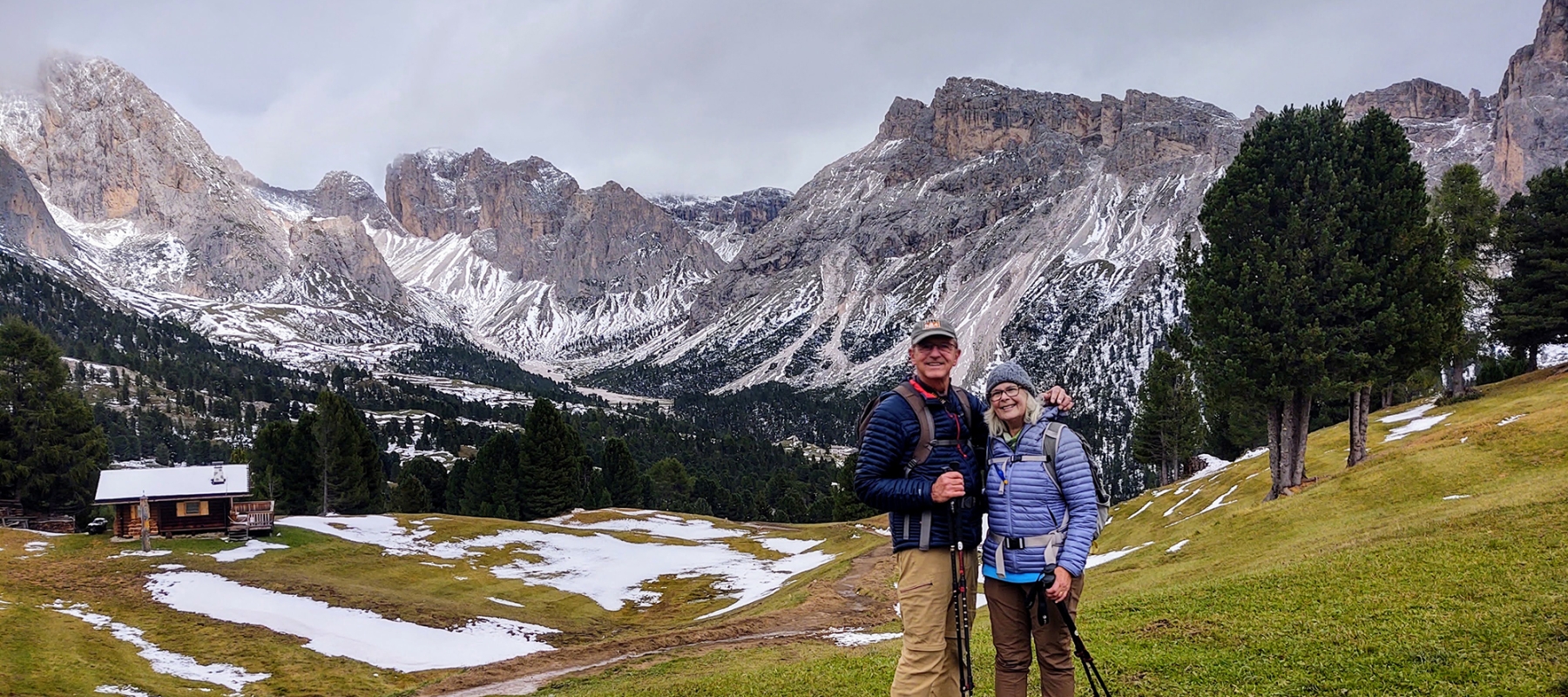
When a chill grips the air and the days grow shorter, it can be tempting to retreat indoors. But for those of us with a love for the trail, winter isn’t an end to the adventure—it’s an invitation to see the world in a new light. The quiet of a snow-covered forest, the crispness of the air, and the unique beauty of a winter landscape offer rewards all their own. With a little preparation and a shift in perspective, you can continue to embrace your active lifestyle and find joy in the season of stillness.
Dress for Discovery: The Art of Layering
Staying comfortable on a winter walk is the first step toward a great experience. The key isn’t a single heavy coat, but a smart system of layers you can adjust as you warm up or cool down.
- Base Layer: This is your next-to-skin layer. Choose materials like merino wool or synthetic fabrics that wick moisture away from your body. Keeping your skin dry is essential for staying warm.
- Mid-Layer: This is your insulation. A fleece jacket, a down vest, or a wool sweater works perfectly to trap body heat and keep you cozy.
- Outer Layer: Your shell should be windproof and water-resistant. It protects you from the elements while allowing moisture from your inner layers to escape. Whether you’re caught in a gust of wind or a snow flurry, this layer keeps you warm and dry.
Don’t forget your extremities! A warm hat, gloves (or mittens), and thick wool socks are non-negotiable for cold-weather comfort.
Find Your Footing: Traction and Safety
Winter surfaces can be unpredictable—from slick ice hidden under a dusting of snow to deep, powdery drifts. Ensuring you have good traction is a matter of safety and confidence.
For packed snow and icy trails, micro-spikes, or other simple traction devices that slip over your regular hiking boots, are a game-changer. They provide the grip you need to walk with a secure and natural stride. For deeper snow, snowshoes are a wonderful way to float above the powder and explore trails that would otherwise be impassable.
Always plan your route ahead of time. Winter conditions can make familiar trails look very different. Let someone know where you are going and when you expect to return. Finally, be mindful of the limited daylight. Start your walks earlier in the day to ensure you have plenty of time to get back before dusk.
Spark Your Motivation with Micro-Adventures
Some days, the biggest hurdle is simply getting out the door. The secret is to keep your goals small and find inspiration close to home.
Think in terms of “micro-adventures.” You don’t need to conquer a mountain peak—a simple walk in a local park can feel like a grand expedition when you pay close attention. Notice how the bare branches of the trees create intricate patterns against the sky. Look for animal tracks in the snow or listen for the distinct calls of winter birds.
Walking with a friend or joining a local walking group provides a wonderful sense of community. Sharing the crisp air and quiet beauty of a winter day with others makes the experience even richer.
Walk Softly: Winter’s Leave No Trace Philosophy
The winter environment is both beautiful and fragile. Stay on designated trails whenever possible, even when they are snow-covered. This helps protect dormant vegetation and prevent erosion during the spring thaw. Pack out everything you pack in—including organic waste like fruit peels, which decompose slowly in the cold. A quiet footstep and a respectful presence ensure these landscapes remain pristine for all who follow.
Train for the Trail: Home Fitness for Walkers
Even when you can’t get outside, you can maintain your walking fitness at home. Focusing on strength and balance will prepare your body for trails in any season. Simple exercises can make a significant difference:
- Core Strength: Planks and bridges build a strong core, which improves your posture and stability on uneven terrain.
- Leg Strength: Bodyweight squats and lunges strengthen the key muscles you use for walking, especially on inclines and declines.
- Balance: Practice standing on one foot for 30 seconds at a time. To increase the challenge, try it with your eyes closed or while standing on a pillow.
These simple routines help prevent injury and ensure you’re ready for more ambitious walks when the weather warms. We look forward to seeing you on the trail!